tanganyika.si

Lake Tanganyika cichlids — species, locations & maps

Lake Tanganyika cichlids — species, locations & maps
By genera By locations Locations Maps Posters Interactive map
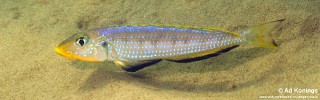
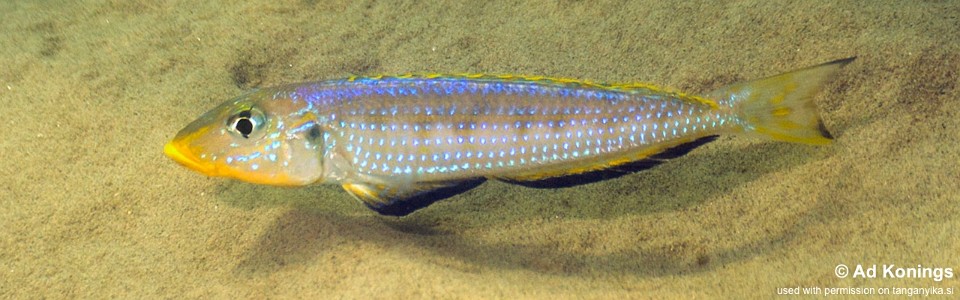
Enantiopus sp. 'kilesa'.jpg Enantiopus sp. 'kilesa' Kasenge.jpg
Previous pageEnantiopus sp. 'kilesa' Kasenge
Tribe / Genus: Ectodini / Enantiopus
Biotope: Open sandy habitats. Lives in schools above sandy substrate.
Geographic distribution: Western shore of Lake Tanganyika (Democratic Republic of Congo), from Kalemie to the Kavala Islands.
Typical adult size: Up to about 12–13 cm total length. Slightly smaller than Enantiopus melanogenys.
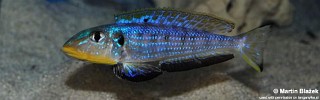
Sexual dimorphism: Females and non-breeding males are sandy-silvery and blend well with the substrate. Territorial breeding males develop intense coloration.
Recommended aquarium size: Minimum 300 L; aquaria of at least 120 × 50 cm footprint are recommended.
Aquarium setup: Fine sand substrate with only a few stones for orientation. Must be kept in groups of several males and females, as a single male will not develop full coloration.

Slightly more aggressive than E. melanogenys, but without causing injuries during territorial disputes. Best maintained in species-only aquaria or with calm, sand-dwelling Tanganyika cichlids.
Diet: Carnivorous. Feeds mainly on small crustaceans collected from the sand. In aquaria accepts frozen foods and high-quality prepared foods.
Breeding: Maternal mouthbrooder. Only the female incubates eggs and larvae. Males construct shallow saucer-shaped nests in the sand, surrounded by small turrets.

Spawning takes place in leks. Females carry the brood for about three weeks before releasing fry. Clutch size usually ranges from 30 to 80 fry.
Aggression: Generally peaceful within the species and toward other fishes, but slightly more aggressive than Enantiopus melanogenys.
Special notes: Often regarded as a geographical variant of Enantiopus melanogenys, but several clear differences exist. E. sp. 'kilesa' is smaller, shows more yellow coloration (especially on the chin), has a more downturned mouth and shorter fins.

Behaviorally it is more active and aggressive, and it constructs spawning bowls with small turrets, unlike E. melanogenys.

Ad Konings suggested that E. sp. 'kilesa' could represent a stabilized natural hybrid between E. melanogenys and Xenotilapia ochrogenys, as it shows characteristics intermediate between both species.

Photo: © Ad Konings
tanganyika.si
Lake Tanganyika cichlids — species, locations & maps.
All images are used with permission of the authors. Unauthorized use is prohibited.
Quick links
By genera By locations Locations Maps Posters Interactive map
Contact
Email Facebook Instagram
© tanganyika.si